

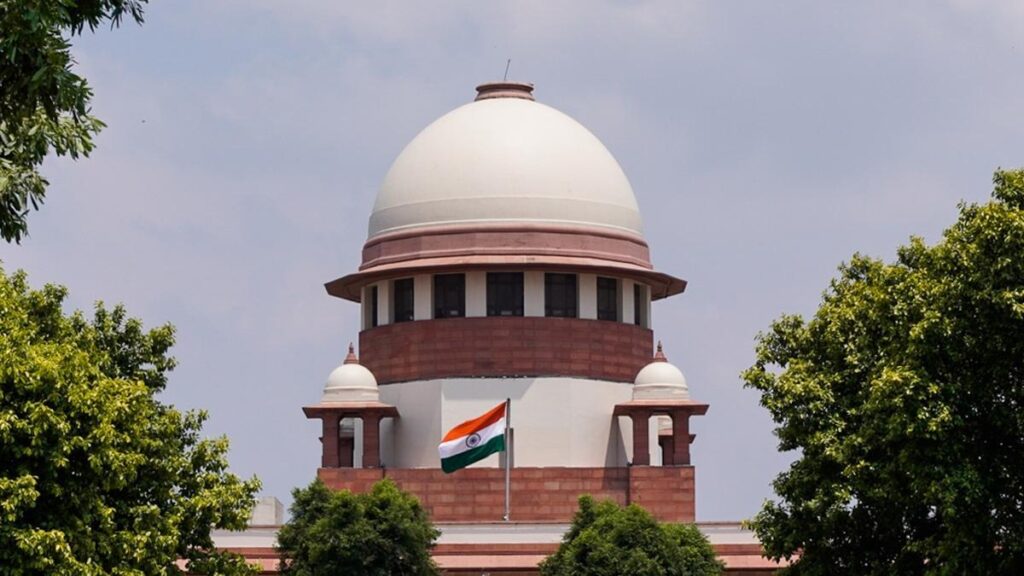
The Supreme Court of India announced on Tuesday its decision to form a high-powered committee to investigate allegations of police excesses against student protesters during the National Eligibility cum Entrance Test (NEET) protests in Delhi.
This significant development comes as protests, including a march to Parliament on July 20, escalated tensions between security personnel and demonstrators. The committee, consisting of retired judges, a former Director General of Police, and an ex-CBI director, will examine these serious allegations meticulously.
The three-member bench, led by Chief Justice Surya Kant alongside Justices Joymalya Bagchi and V Mohana, stated the committee’s order would materialize on Wednesday. This follows consultations with various parties to determine additional members for the panel, ensuring comprehensive representation.
In an important directive, the Supreme Court mandated the provision of video footage and CCTV recordings linked to the violent incidents during the July 20 protest. These materials will be critical for the committee’s investigation, as they seek to clarify the circumstances surrounding the protesters’ treatment.
The committee will also address the complaints of female protesters, who reportedly faced targeted aggression during the protests. Highlighting the urgency of the matter, the bench emphasized the need for a thorough investigation, especially with regard to gender-based violence against participants.
The Solicitor General, Tushar Mehta, must provide details of FIRs that implicate student protesters. The court indicated its potential to quash these FIRs, invoking its powers under Article 142 of the Constitution. This could herald a pivotal moment for many students adversely affected by the violence and related legal ramifications.
“It is the life of students which is at stake. We have to consider their futures,” the bench remarked, underscoring the students’ right to protest as guaranteed under Article 19 of the Indian Constitution. The court firmly asserted the necessity of protecting this right even amid unrest.
Mehta revealed that police investigations identified over 2,800 “anti-social elements” allegedly responsible for violence during the protests. This declaration raises critical questions about the distinction between genuine student protesters and those with criminal backgrounds.
On August 3, the Supreme Court clarified that the term “criminal antecedents” in its earlier orders applied solely to those implicated in severe and heinous crimes. The court also stated that states could dismiss FIRs against students lacking such backgrounds, indicating a shift towards a more lenient approach regarding peaceful protesters.
The apex court noted earlier that escalating police action, including lathi charges, could not be justified simply due to ongoing protests. Peaceful protests are an integral part of democracy and must be protected from excessive law enforcement actions.
The clashes on July 20 marked a tumultuous day in Delhi. Protesters faced stern measures from law enforcement, including the use of lathis and tear gas, as they attempted to advance towards Parliament. The government must now navigate the legal complexities surrounding this incident while respecting the protesters’ rights.